During a busy springtime season, Past to Future (P2F) has highlighted one of its core strengths: bringing together researchers, disciplines, and communities to better understand climate change through the lens of Earth’s past.
Building bridges across research fields
At the European Geosciences Union (EGU) General Assembly in Vienna, P2F researchers joined thousands of geoscientists from around the world, sharing insights spanning palaeoclimate, climate modelling, and Earth system science. Beyond formal sessions, collaboration took centre stage.
“One of the highlights of EGU26 was the opportunity to bring together researchers from P2F and ClimTip for an evening of discussion and networking in Vienna fostering exchange, collaboration, and new perspectives.” Dr. Stefanie Ypma, Project Manager at Utrecht University
This informal exchange with ClimTip exemplified how interdisciplinary dialogue can spark new ideas—linking expertise on climate tipping points, risks, and long-term change. These conversations are already paving the way for future collaboration at a joint General Assembly meeting in Potsdam next February.
Connecting science and society
Interdisciplinary work in P2F extends beyond academia. At Pint of Science Netherlands in Utrecht, researchers stepped into a very different environment engaging directly with the public.
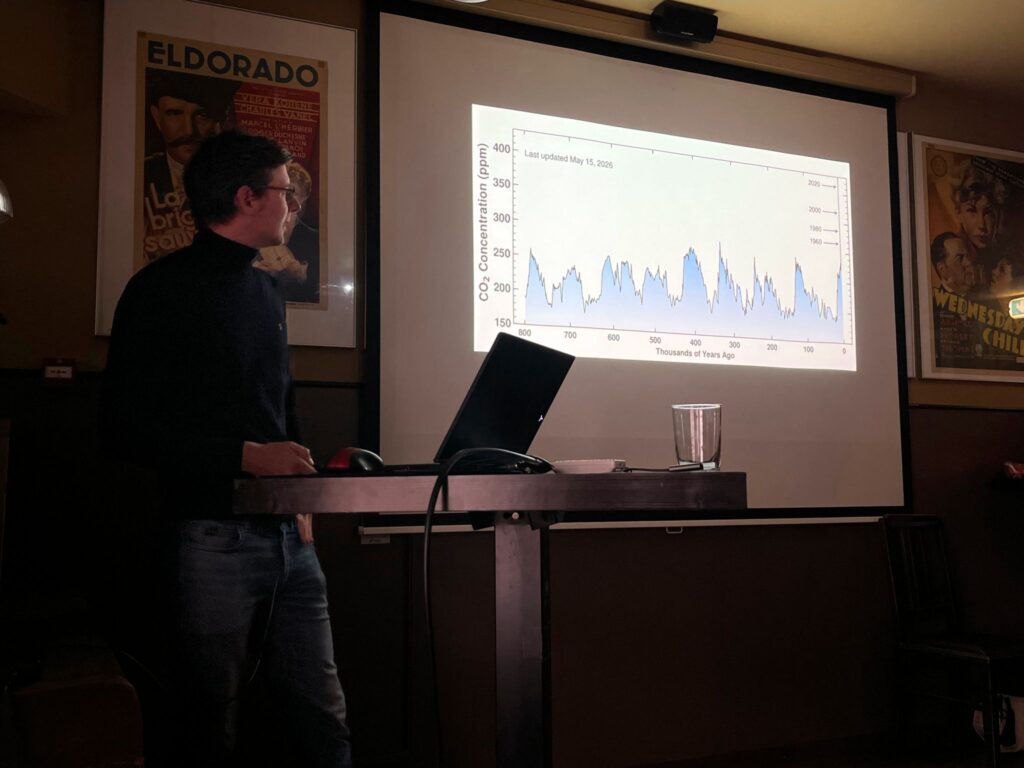
By translating complex research into accessible conversations, P2F researcher Dr. Martin Ziegler and other speakers encouraged dialogue between disciplines and audiences, showing how insights from past climates can inform today’s challenges. The event, co-organised by P2F doctoral candidate Elena Domínguez Valdés, demonstrated that impactful science depends not only on crossing academic boundaries but also on connecting with society.
Expanding global collaboration
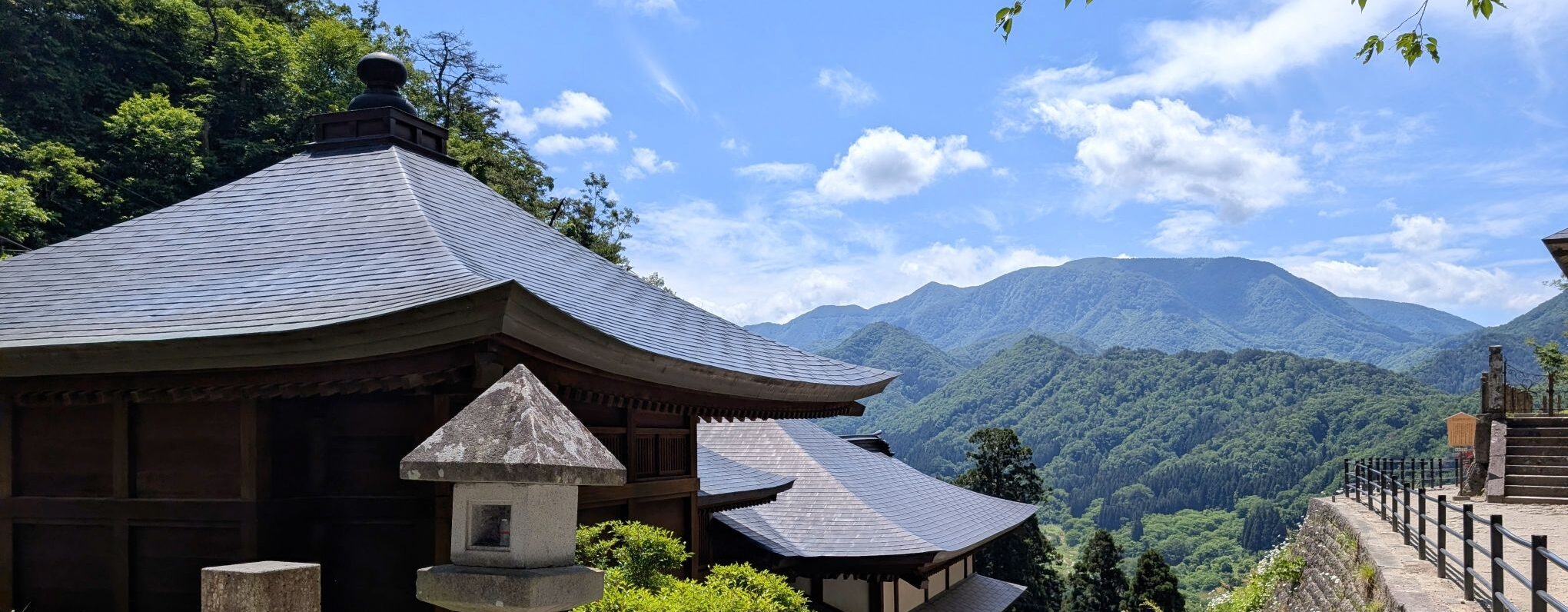
This spirit of exchange continued at the RENKEI UK–Japan Collaboration Lab, where early-career researchers explored new international partnerships.
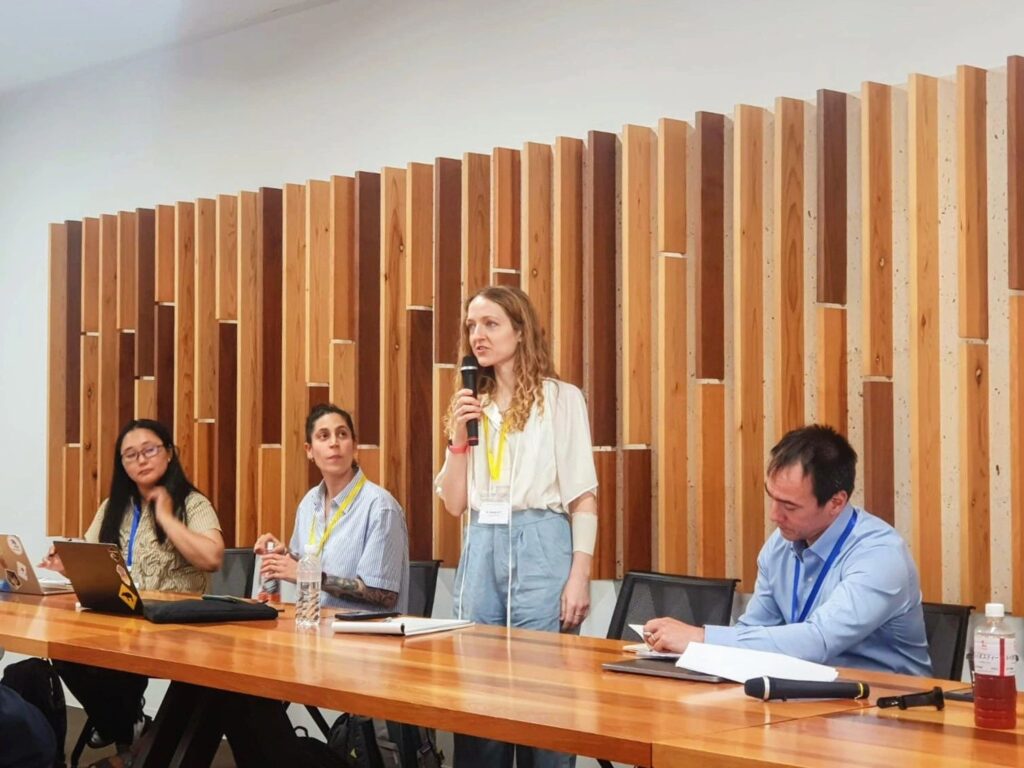
“It’s great meeting researchers from across the UK and Japan, hearing about such diverse research. Very grateful for the opportunity to make new connections and explore potential collaborations.” Dr. Georgia Melodie Hole, Postdoctoral researcher at Durham University
Here, interdisciplinary interaction took on a global dimension, bringing together different research cultures, perspectives, and expertise to address shared climate challenges.
Looking ahead
From conference halls in Vienna to a cultural centre in Utrecht and collaboration labs in Japan, the past month has shown how interdisciplinary interaction is at the heart of Past to Future. By creating spaces for collaboration—across fields, sectors, and borders—the project is strengthening its ability to deliver meaningful, policy-relevant climate research.
As P2F looks toward its next joint meeting in Potsdam, these connections will continue to grow, driving new ideas, new collaborations, and new ways of understanding our changing climate.